


Asset tracking and management is a crucial aspect of any business operation that involves physical assets. It is the process of monitoring and tracking the location, status, and movement of assets in real-time.
It helps businesses to optimize their operations, reduce costs, increase efficiency, and minimize the risk of loss or theft.
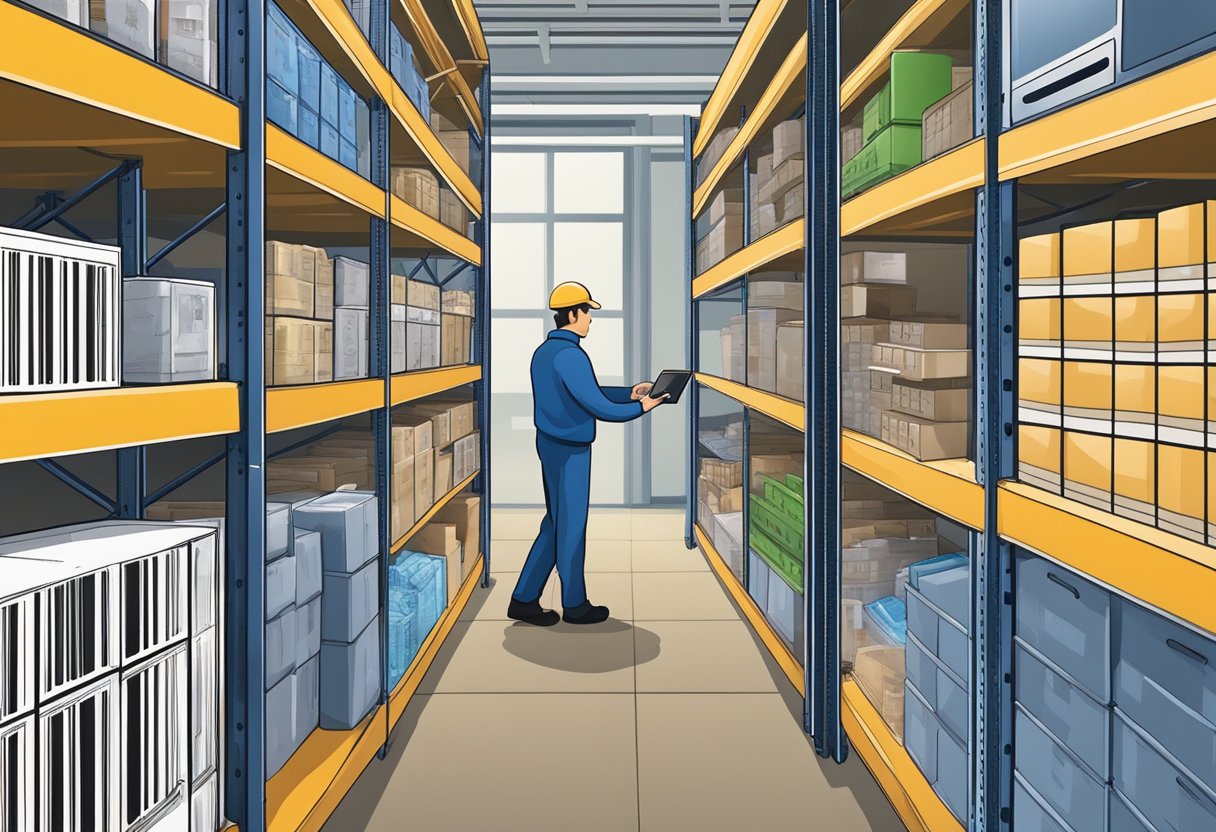
Asset tracking involves the use of technology such as GPS, RFID, and barcode scanners to track the location and movement of assets. This technology enables businesses to monitor their assets in real-time, which helps to reduce the risk of loss or theft.
Whereas Asset management, on the other hand, involves the entire lifecycle of an asset, from procurement to disposal. It includes tasks such as maintenance, repair, and replacement of assets.
Effective asset tracking and management can help businesses to save time and money by reducing the need for manual tracking and inventory management. By automating these processes, businesses can focus on other aspects of their operations and improve their overall efficiency.
In the following sections, we will explore the various aspects of asset tracking and management in more detail.
Fundamentals of Asset Tracking
Definition and Scope
Asset tracking is the process of monitoring and managing an organization’s physical assets. These assets can range from heavy machinery and vehicles to office equipment and furniture. It is a crucial component of asset management, which involves tracking and maintaining all assets throughout their lifecycle.
It involves using different technologies such as GPS tracking systems, barcode scanners, and radio frequency identification (RFID) tags to monitor and locate assets.
By tracking assets, organizations can ensure that they are being used efficiently, minimize losses due to theft or misplacement, and reduce the costs associated with maintenance and repairs.
Importance of Asset Tracking
Asset tracking is essential for organizations of all sizes and industries. It allows businesses to keep track of their assets, monitor their usage, and ensure that they are being used efficiently. By tracking assets, organizations can identify areas where they can reduce costs, improve productivity, and increase profitability.
It also helps organizations comply with regulations and standards related to asset management. For example, in industries such as healthcare and pharmaceuticals, asset tracking is crucial for ensuring compliance with regulations related to the storage, transportation, and disposal of assets.
In addition, asset tracking helps organizations make informed decisions about when to repair or replace assets. By monitoring the usage and condition of assets, organizations can identify when an asset is nearing the end of its useful life and plan for its replacement.
This can help organizations avoid unexpected downtime and reduce the costs associated with emergency repairs or replacements.
Overall, asset tracking is a critical component of asset management that helps organizations ensure that their assets are being used efficiently, reduce costs, and comply with regulations.
Asset Management Strategies

Effective asset management strategies are essential to ensure that your business is using its resources optimally. This section will cover two key strategies: Lifecycle Management and Depreciation and Valuation, lets dive in.
Lifecycle Management
Lifecycle management is the process of managing an asset from the moment it is acquired to the moment it is disposed of. This includes planning, acquisition, utilization, and disposal. Proper lifecycle management can help organizations reduce costs, increase efficiency, and extend the useful life of their assets.
One way to implement lifecycle management is by using an enterprise asset management (EAM) system. EAM systems combine asset management software, systems, and services to lengthen asset lifespan and increase productivity.
Many rely on a computerized maintenance management system (CMMS) to monitor assets in real time and recommend maintenance when necessary.
Another key component of lifecycle management is tracking the condition of assets. This can be done through regular inspections, maintenance, and repairs.
By tracking the condition of assets, organizations can identify potential problems before they become major issues and take proactive measures to address them.
Depreciation and Valuation
Theses two important concepts in asset management. Depreciation is the process of allocating the cost of an asset over its useful life. This is important for accounting purposes and can help organizations determine the true cost of an asset over time.
Valuation, on the other hand, is the process of determining the value of an asset. This is important for a variety of reasons, including insurance, taxes, and financial reporting. There are several methods that can be used to value assets, including the cost approach, market approach, and income approach.
Overall, effective asset management strategies are essential for any organization that wants to maximize efficiency and reduce costs. By implementing lifecycle management and properly managing depreciation and valuation, organizations can ensure that they are using their resources optimally and getting the most out of their assets.
Technologies in Asset Tracking

Asset tracking technologies have evolved significantly over the years, making it easier for businesses to track and manage their assets. Here are some of the most popular technologies used in asset tracking:
Barcode Systems
Barcode systems are one of the most common asset tracking technologies used today. They work by assigning a unique barcode to each asset, which can then be scanned using a barcode scanner to retrieve information about the asset. Barcode systems are relatively inexpensive and easy to implement, making them a popular choice for small and medium-sized businesses.
5 Asset Tracking Software with Barcode Scanner
There are many asset tracking software options available that use barcode scanners to track assets. Some of the most popular options include:
Each of these software solutions offers unique features and benefits, so it’s important to do your research to find the one that best fits your business needs.
RFID Technology
RFID (Radio Frequency Identification) technology is another popular asset tracking solution. It works by using RFID tags to track assets, which can be read by an RFID reader. RFID technology is highly accurate and can be used to track assets in real-time, making it a popular choice for businesses that need to track high-value assets.
GPS and IoT Solutions
GPS (Global Positioning System) and IoT (Internet of Things) solutions are becoming increasingly popular for asset tracking. These solutions use GPS or cellular networks to track assets in real-time, making it easy to monitor assets that are on the move. GPS and IoT solutions are particularly useful for businesses that need to track assets that are located in remote or hard-to-reach locations.
Overall, there are many different technologies available for asset tracking, each with their own pros and cons. It’s important to choose the right technology for your business needs to ensure that you can effectively track and manage your assets.
Examples of Free Asset Tracking Software
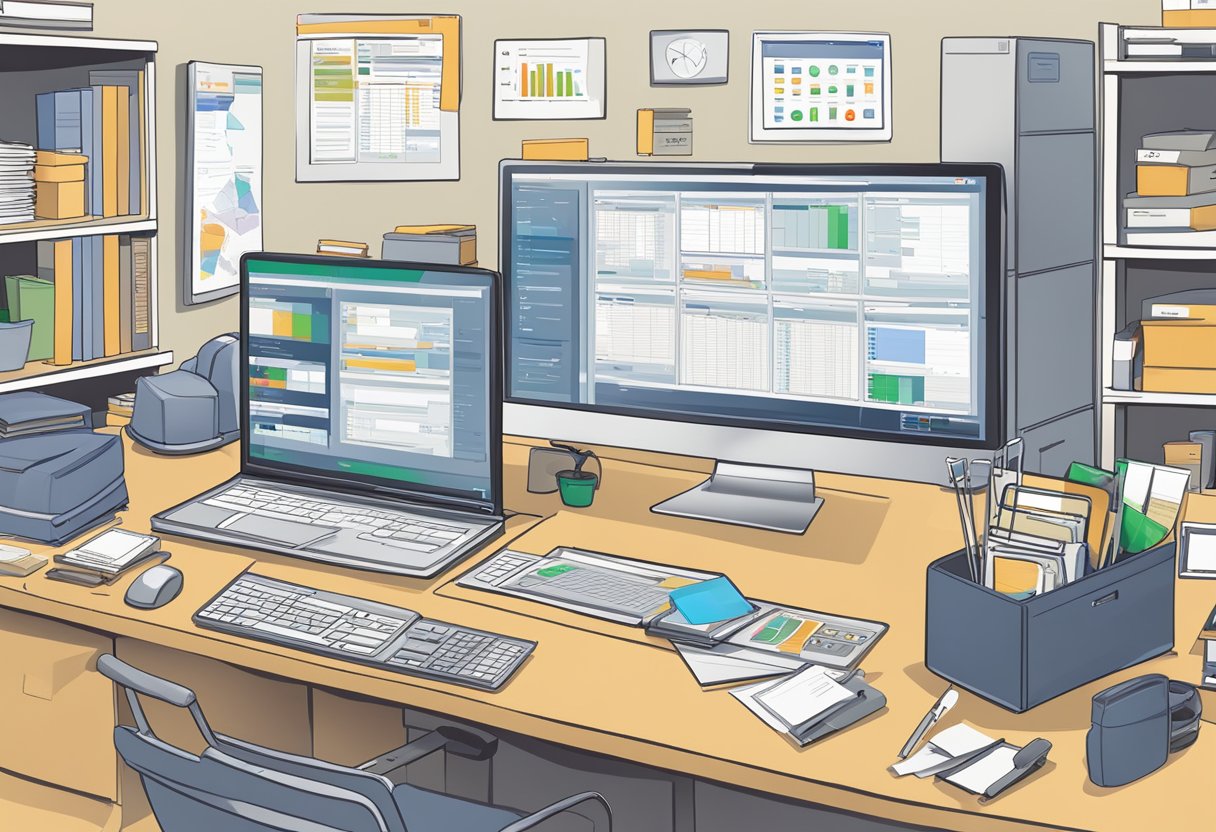
If you’re looking for free asset tracking software, there are several options available. Here are a few examples:
1. AssetTiger
AssetTiger is one of the best free asset tracking software solutions available. It offers users a useful alert system, unlimited cloud storage, and an unlimited number of users. However, it is for fixed assets only and allows up to 250 assets to be tracked for free. AssetTiger also offers paid plans with additional features for those who need to track more assets.
2. Reftab
Reftab is a streamlined asset tracking software that offers a user-friendly and efficient approach to asset management. It is particularly appealing to small and medium-sized businesses. The cloud-based tool stands out for its simplicity and effectiveness in managing various assets.
3. Ralph
Ralph is a lightweight open-source asset management software perfectly designed for data centers and back offices. It is built using Django and Python 3, allowing easy customization. Available on Apache v3.0 license, it is a well-integrated system providing versatile functionality required to manage assets accurately.
4. Limble
Limble is a maintenance management solution that allows users to submit work orders, manage preventative maintenance schedules, and track assets. It is free for up to 50 assets, and users frequently mention the ease of use, the ability to customize the system, and excellent customer support as key benefits of using Limble.
5. EZOfficeInventory
EZOfficeInventory is a cloud-based asset tracking software that offers a free plan for up to 50 items. It allows users to track assets across multiple locations, generate custom reports, and set up alerts for maintenance and other important tasks. EZOfficeInventory also offers paid plans with additional features for those who need to track more assets.
Overall, there are several free asset tracking software solutions available, each with its own unique features and benefits. Consider your specific needs and choose the software that best fits your organization’s requirements.
Implementing Asset Tracking Systems
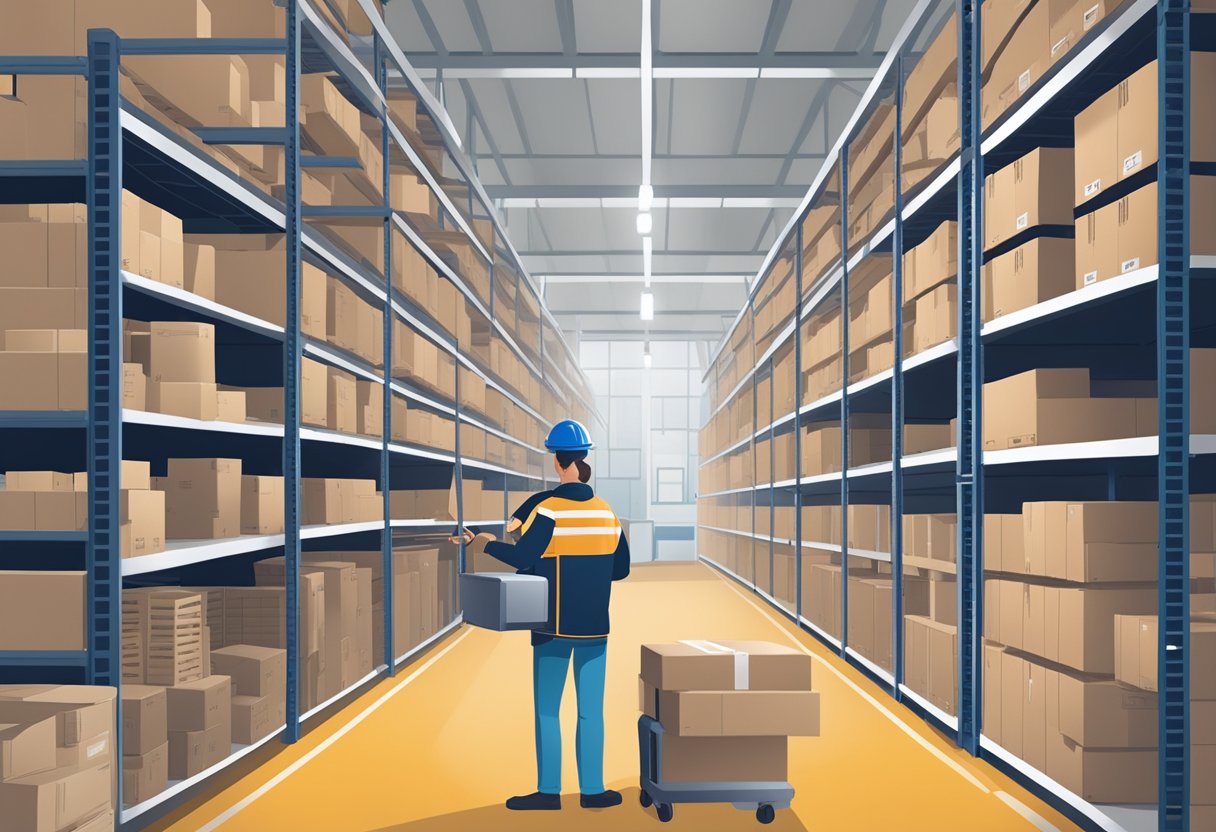
Asset tracking systems should be implemented with careful planning and design, integration with existing processes, and proper training and adoption. By following these steps, you can ensure that your asset tracking system is effective and efficient.
Planning and Design
Before implementing an asset tracking system, it is important to plan and design the system to meet your specific needs. This includes identifying the assets that need to be tracked, determining the tracking methods to be used, and selecting the appropriate software and hardware.
To plan and design your asset tracking system, you should consider the following:
- Identify the assets to be tracked, including their location, condition, and other relevant information.
- Determine the tracking methods to be used, such as RFID, barcode, or GPS.
- Select the appropriate software and hardware for your tracking needs.
- Develop a plan for data collection, storage, and analysis.
Integration with Existing Processes
To ensure that your asset tracking system is effective, it is important to integrate it with your existing processes. This includes integrating it with your inventory management system, maintenance management system, and other relevant systems.
To integrate your asset tracking system with your existing processes, you should consider the following:
- Identify the systems that need to be integrated with your asset tracking system.
- Develop a plan for integrating the systems.
- Test the integration to ensure that it is working properly.
Training and Adoption
To ensure that your asset tracking system is adopted by your employees, it is important to provide proper training and support. This includes training your employees on how to use the system, providing ongoing support, and addressing any issues that arise.
To train and support your employees, you should consider the following:
- Develop a training program that covers the use of the asset tracking system.
- Provide ongoing support to your employees.
- Address any issues that arise in a timely manner.
By following these steps, you can implement an effective asset tracking system that helps you manage your assets more efficiently and effectively.
Frequently Asked Questions

How does asset tracking enhance business operations?
Asset tracking enhances business operations in several ways. By keeping track of physical assets, businesses can improve their inventory management, reduce losses due to theft or misplacement, and increase asset utilization rates. Asset tracking also helps businesses optimize maintenance schedules, reduce downtime, and improve employee productivity. By having real-time visibility into assets, businesses can make informed decisions about asset allocation and utilization, which can lead to cost savings and increased efficiency.
Can you provide examples of asset tracking in use?
Asset tracking is used in a variety of industries, including logistics, healthcare, manufacturing, and retail. Hence, In logistics, asset tracking is used to track shipments and monitor the location and condition of goods in transit.
And in healthcare, asset tracking is used to track medical equipment and supplies, which can help prevent equipment loss, reduce maintenance costs, and improve patient care.
In manufacturing, asset tracking is used to track production equipment, which can help optimize maintenance schedules and reduce downtime. In retail, asset tracking is used to track inventory and prevent theft.
What are the key features to look for in asset tracking software?
When selecting asset tracking software, there are several key features to look for. These include real-time asset tracking, customizable asset data fields, mobile compatibility, automated alerts and notifications, and reporting and analytics capabilities. Real-time asset tracking is essential for businesses that need to track assets in real-time, such as logistics companies. Customizable asset data fields allow businesses to track the specific data points that are most relevant to their operations. Mobile compatibility allows employees to access asset data from anywhere, at any time. Automated alerts and notifications can help prevent asset loss or damage. Reporting and analytics capabilities provide businesses with insights into asset utilization and performance, which can help inform decision-making.
What are the top companies specializing in asset tracking solutions?
There are several top companies specializing in asset tracking solutions, including IBM, SAP, Zebra Technologies, and Trimble. These companies offer a range of asset tracking solutions, including hardware devices, software platforms, and consulting services. IBM offers a cloud-based asset tracking platform that uses IoT sensors to track assets in real-time. SAP offers an asset tracking solution that integrates with its enterprise resource planning (ERP) software. Zebra Technologies offers a range of hardware devices, including barcode scanners and RFID readers, for asset tracking. Trimble offers a GPS-based asset tracking solution that is designed for use in the construction industry.
What are the primary benefits businesses receive from implementing an asset tracking system?
The primary benefits businesses receive from implementing an asset tracking system include improved inventory management, reduced losses due to theft or misplacement, increased asset utilization rates, optimized maintenance schedules, reduced downtime, and improved employee productivity. By having real-time visibility into assets, businesses can make informed decisions about asset allocation and utilization, which can lead to cost savings and increased efficiency. Asset tracking systems also help businesses comply with regulatory requirements and improve customer satisfaction by ensuring that assets are available when and where they are needed.